How to clean a wooden cutting board
INSIDE : Learn the safest way to deeply clean and sanitize your wooden cutting board. Remove stains and keep your board looking new! This post will show you how to clean a wooden cutting board with simple, natural methods.
This post may contain affiliate links. See full disclosure here.
If you love cooking like I do, your wooden cutting board is likely one of your most-used kitchen tools. But over time, wood absorbs moisture and can look dull. You might be wondering: what’s the safest and most effective method for cleaning a wooden cutting board without ruining the wood?
Ignoring wooden cutting board maintenance is a recipe for problems. Proper cleaning isn’t just about rinsing—it’s about deep sanitizing and protecting the natural material from stains and bacteria.
In this post, you will learn the step-by-step process for cleaning, sanitizing and oiling (this one is essential) your cutting board to extend its life and keep your kitchen sanitary.
Say goodbye to deep stains and hello to a beautiful, clean board!
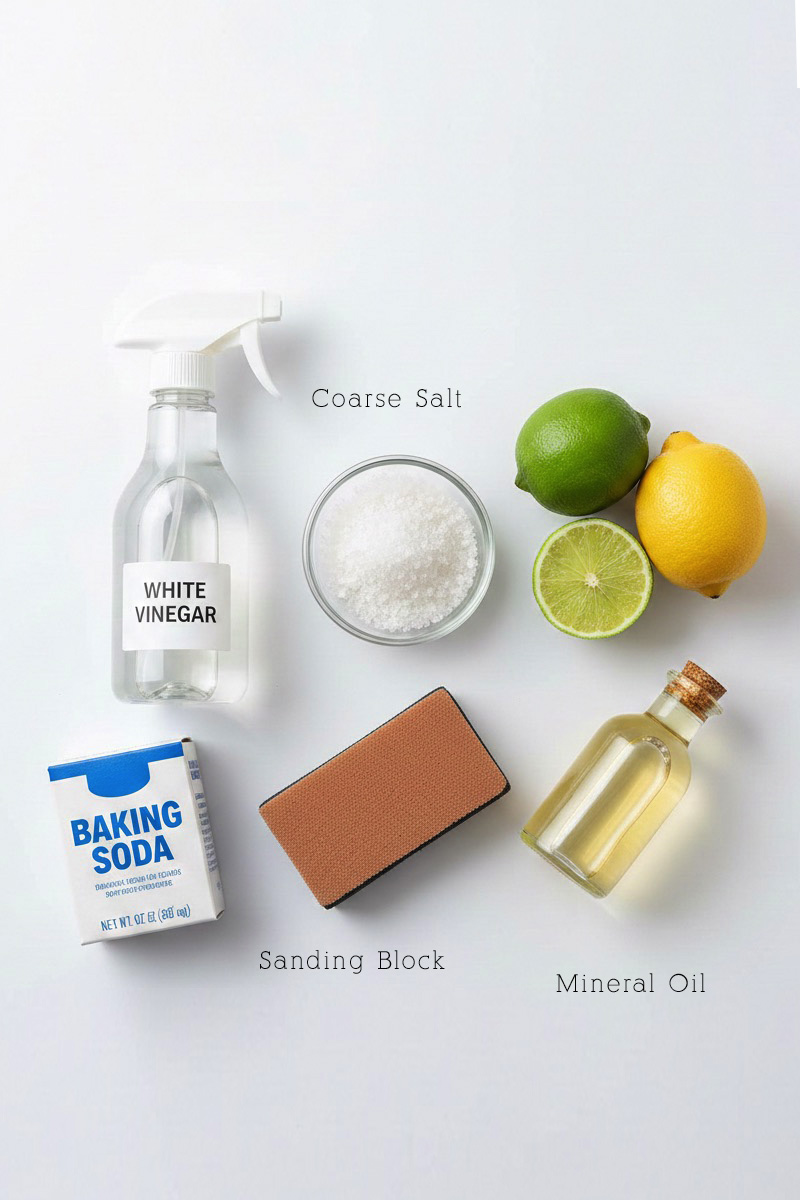
What supplies are needed to clean a wood cutting board?
- Warm water + Soap
- Soft sponge
- Coarse salt
- Limes (or lemons)
- White Vinegar in a spray bottle
- Baking Soda
- Sanding Block
- Mineral Oil
How to clean a wood cutting board
I bought this miniature wooden cutting board at an estate sale recently. I loved that even though it’s smaller in size, it has a wonderful thick butcher block base and adorable round legs. I find such joy being able to find treasures like this at estate sales and while out thrifting.
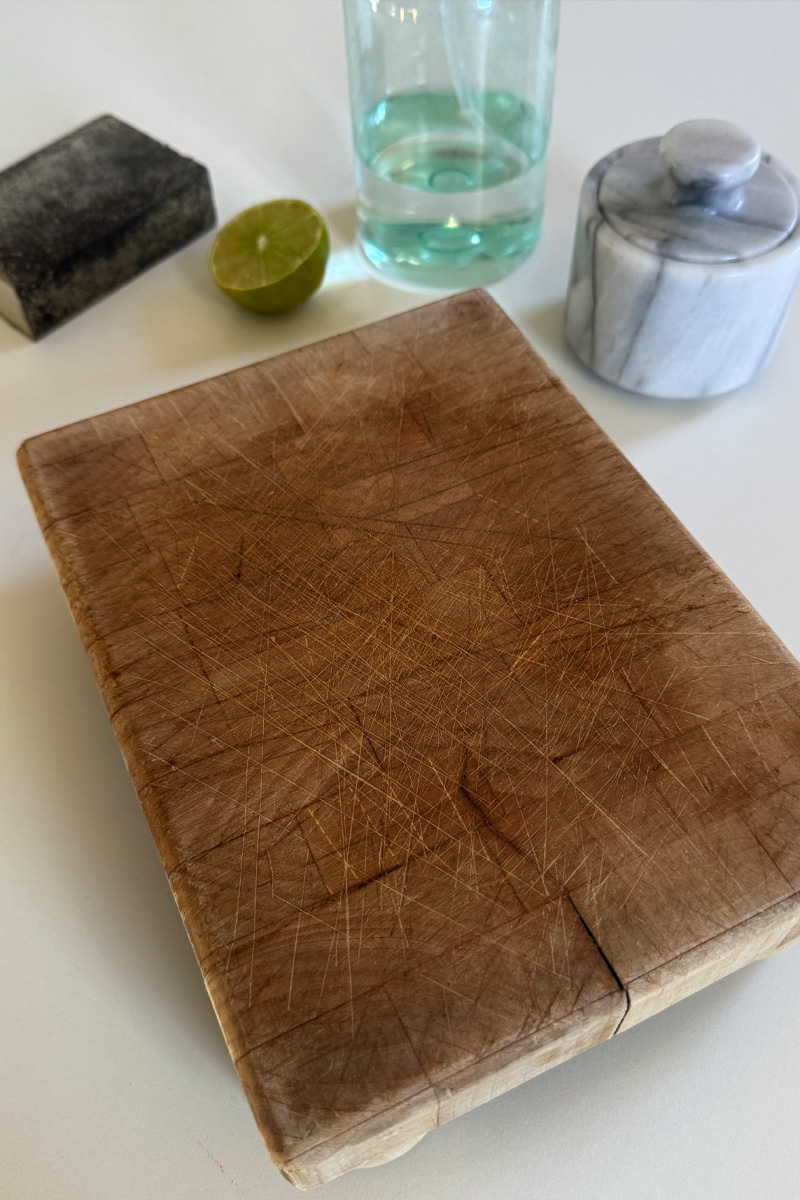
To clean a well loved or used wood cutting board, start by gathering all your supplies.
Wash and dry
The first step I took was to give my board a good wash. I started by scraping off any loose food using a metal spatula. You can also use a dull edge knife for this step.
Next, using a soft sponge or cloth and mild dish soap, was the entire surface of the board using hot water. It’s important to wash both the top AND the underside to prevent the wood from swelling and warping unevenly as it dries.
Rinse your cutting board under hot water to remove all soap suds. BE SURE TO NEVER SOAK a wooden cutting board.
Immediately wipe down the board with a clean towel and allow it to fully air dry on all sides. I prop my boards upright against the wall so as much surface area is open to the air. Never store will your wood is wet.
Cleaning with lemon and salt
Once you’ve done the basic wash and dry, it’s time to remove some of the stains and possible odors.
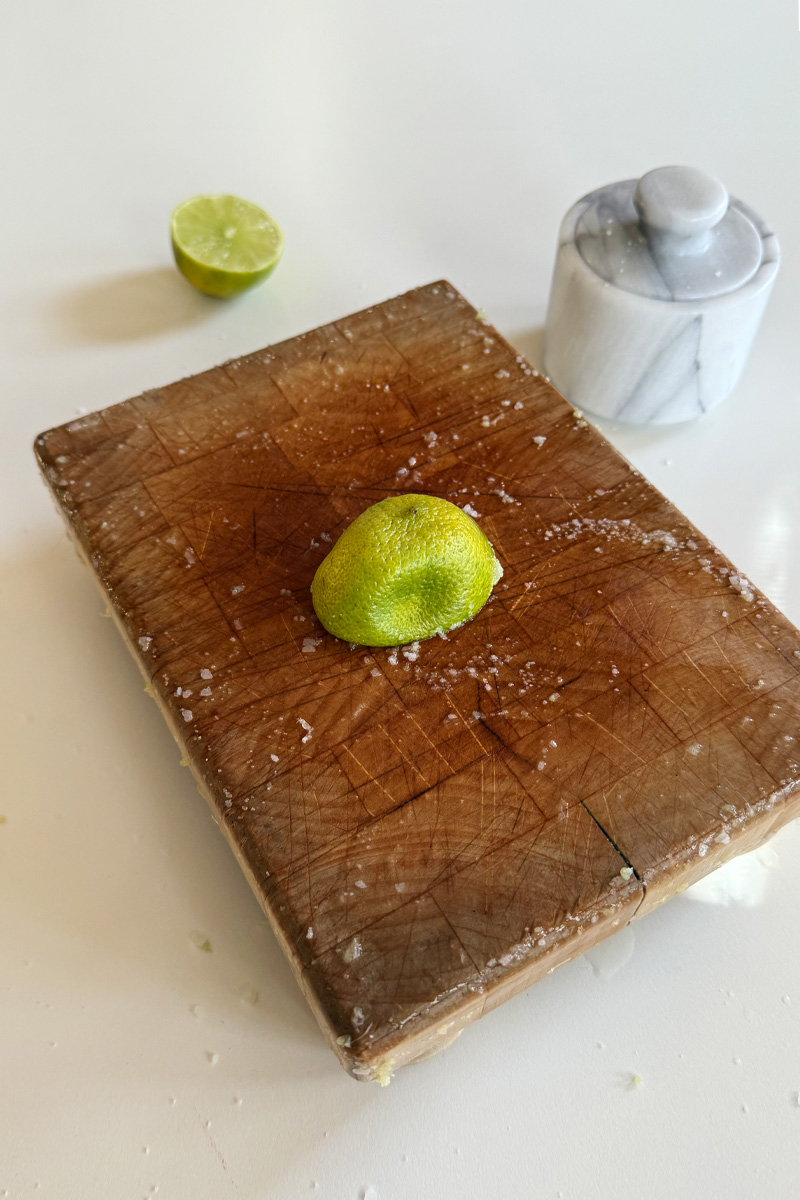
Sprinkle coarse salt (kosher or sea salt works great) generously over the board. Cut a lemon in half (I only had an overripe lime, so use what you have) and use the cut side to rub the salt into the wood surface, squeezing the juice as you scrub.
Let the mixture sit for 5-10 minutes, then scrape it off and rinse with water. Dry with a towel.
Cleaning the wood cutting board with lemon naturally deodorizes, lifts stains and gently cleans by using the salt as an abrasive. The lemon’s acid helps to cut through grime and smells, leaving a fresh scent and a brighter board!
Sanitize with White Vinegar
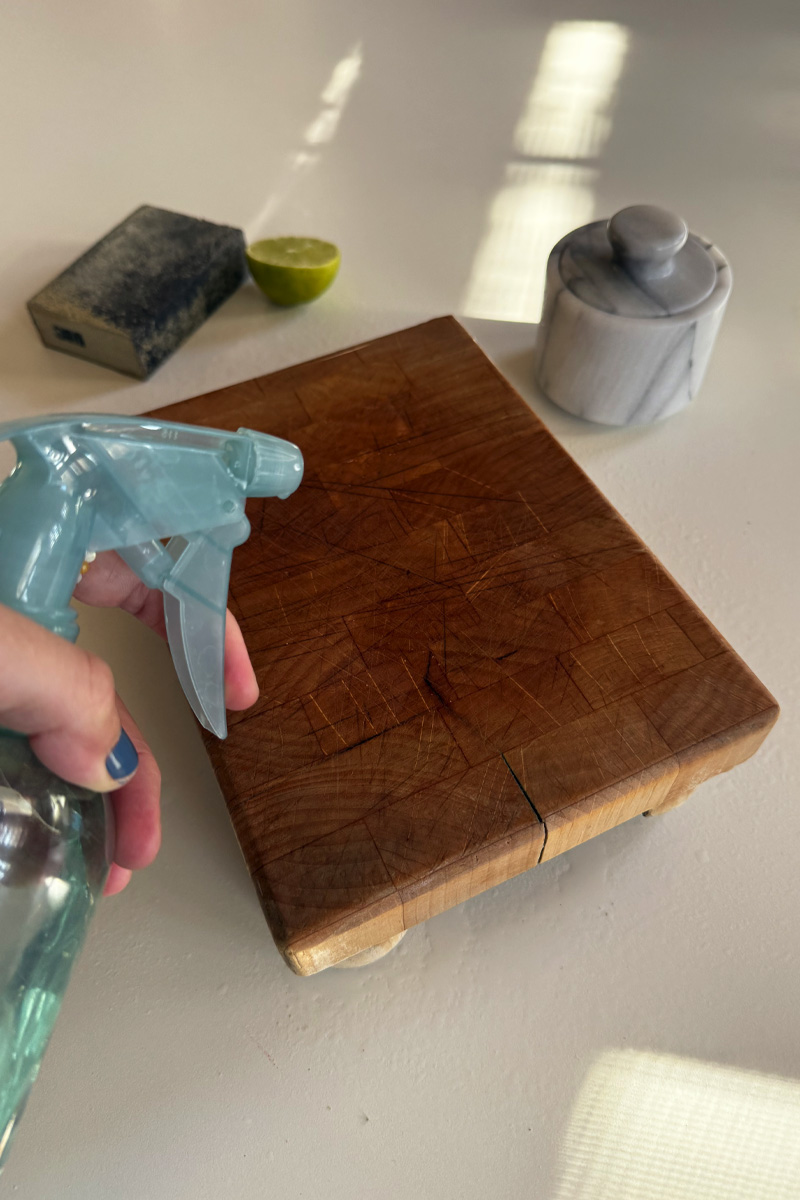
The next step to cleaning your board is sanitizing with white vinegar. White vinegar cleans and sanitizes the wood cutting boards by killing bacteria and eliminating odors, thanks to it containing acetic acid.
Mix 1 part white vinegar with 4 parts water. I use a spray bottle to apply. Spray or wipe the entire board (top, bottom + sides) and let it sit for a few minutes.
After maybe 5 minutes or so, rinse thoroughly with clean water and pat dry with a towel.
Stain removal with Baking Soda Paste
If you still have stains on your board, you can create a baking soda paste.
Mix baking soda with a little water to form a thick paste. Rub the paste into the stained area, let it sit for 15 minutes, then scrub with a sponge and rinse well.
Sand down any remaining grooves
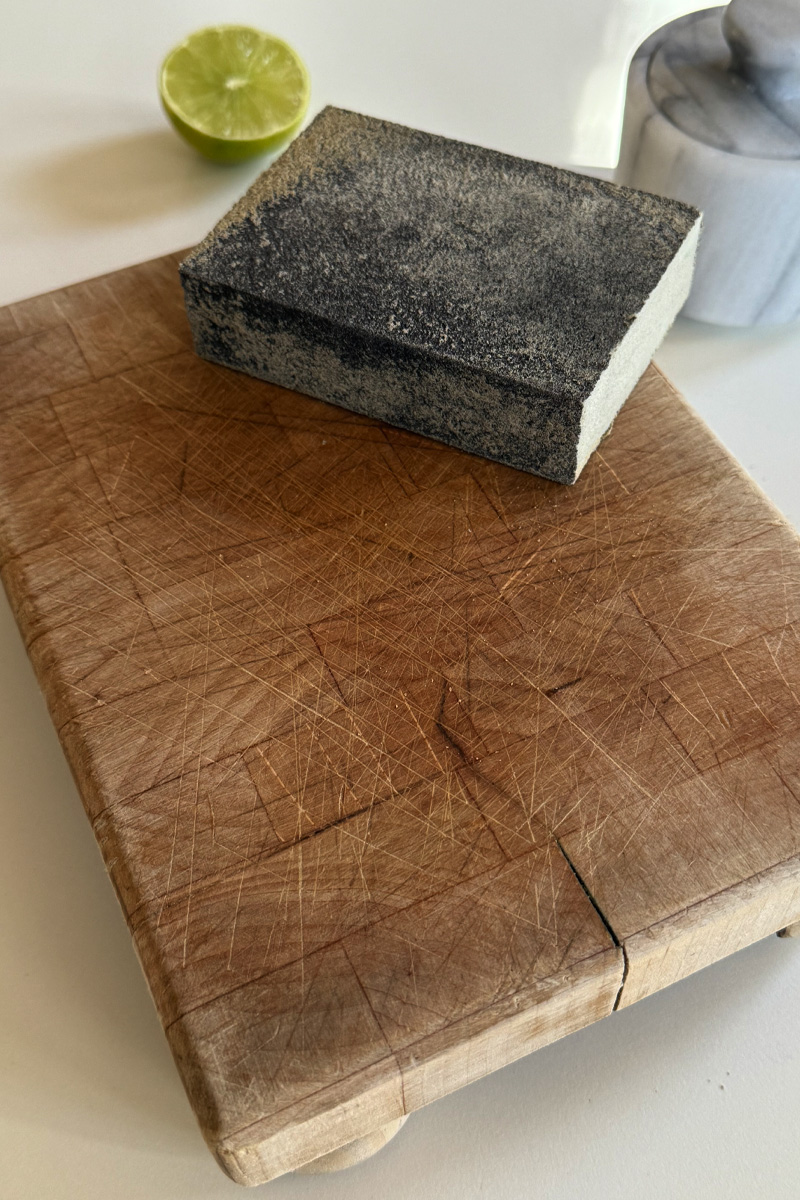
The last step to cleaning your wood board is sanding down all knife grooves, marks and indentations. I think using a simple sanding block is a great solution here. Depending on the size of your board, you could also use a handheld sander – but that seems like overkill to me for most typically sized boards.
We aren’t looking for raw wood perfection smooth here. You may still have marks in the wood, which add character, but simply a light sanding to help give a more even cutting surface.
How to maintenance a wood cutting board
Once you have taken the time to properly clean and sanitize your wooden cutting board, it’s absolutely essential that you take a few more steps to maintain your cutting surface.
Apply Mineral Oil
Regular oiling is the most important step for the long-term health of your board, preventing it from drying out, cracking and absorbing too much moisture.
Start by making sure your board is completely dry since it’s last wash. Possibly wait until to 24 hours for a thicker butcher block.
Once dry, use a food safe oil. I love this food grade mineral oil and use it for many kitchen related wood items (wooden spoons, wooden spatulas and my wood cutting boards).
Apply a generous amount to the entire surface of your board with a clean, soft cloth or paper towel. Avoid cooking oils like olive or vegetable oil – as they will go rancid over time.
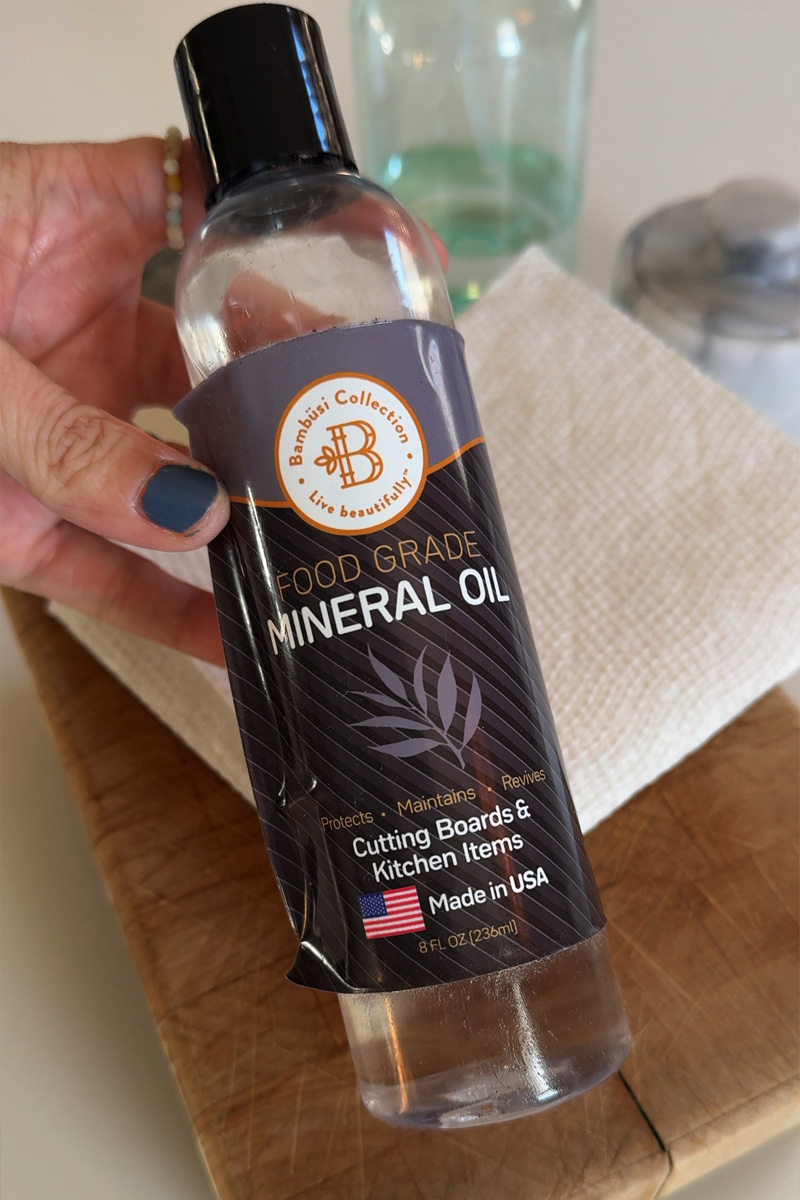
Allow the oil to soak into the wood for at least 30 minutes, or ideally overnight.
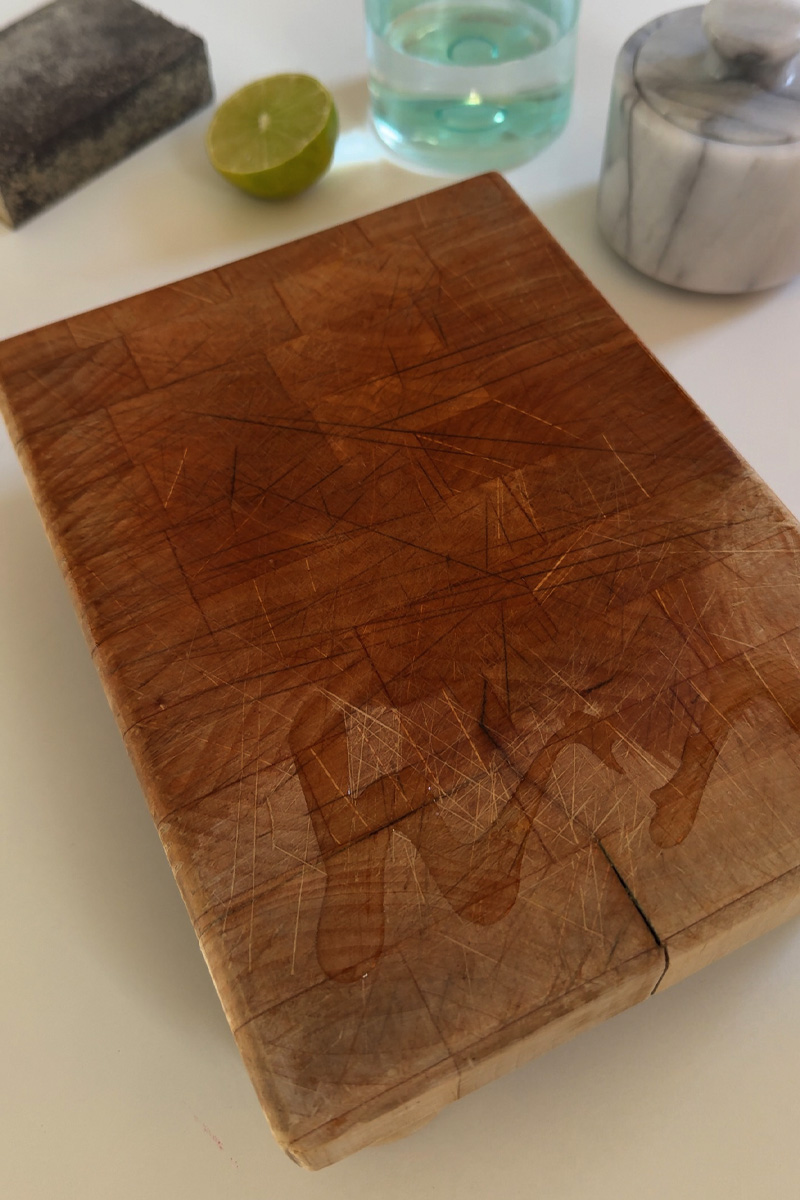
The mineral oil should soak completely into the wood, but I always take a clean towel and do a final once over to remove any excess oil.
How to clean butcher block cutting board
If you have a larger butcher block cutting board, it’s larger size requires a modified cleaning method. The goal is to quickly eliminate residue and moisture without fully submerging the massive wood slab in water.
Surface cleaning
First, use a metal spatula to sweep all food scraps and crumbs from the surface.
Washing and Rinsing
Apply a small amount of mild dish soap to a hot, damp sponge or cloth. Thoroughly scrub the entire working area. Immediately wiping the soap away with a clean cloth that has been well-rinsed and wrung out.
Sanitizing Deeply
For sanitizing, especially after preparing raw protein, use a spray bottle of white vinegar. A simple 1-part vinegar to 4-parts water solution is effective. Spray a light mist over the surface, let it rest briefly (a few minutes), then wipe it dry with a clean towel.
Drying
Unlike lighter boards, a butcher block must be dried. Towel dry the surface immediately, then ensure it is completely air-dried before covering or storing.
Condition
Regularly restoring the wood’s protective barrier with mineral oil prevents drying and cracking. Apply it generously, allow it to soak overnight if possible, then wipe off any unabsorbed excess. This monthly maintenance is key to the block’s longevity!
How to clean wood cutting board after raw meat
After using your wooden cutting board for raw meat, poultry or seafood it is essential to thorough clean to prevent cross-contamination.
Clean
Begin by scraping food residue off the surface. Immediately wash the entire board (front and back) using hot, soapy water and a clean sponge or brush, ensuring you scrub vigorously to remove organic material. Crucially, do not soak the board. Rinse quickly and completely with hot water, then move directly to the sanitization stage.
Sanitize
To sanitize, use a solution of 1 part white vinegar to 4 parts water sprayed liberally over the surface, letting it sit for several minutes before rinsing clean. Alternatively, a dilute solution of 1 tablespoon of bleach per gallon of water can be used, followed by a thorough rinse.
Immediately towel-dry the board and stand it upright to allow air to circulate around all sides, ensuring it is completely dry before storing.
This two-part process – washing followed right away by sanitization – eliminates lingering bacteria and maintains your board’s cleanliness and safety.
Want to check out some of my Creative Thrift projects? See below.
Once you have a clean and sanitized wood cutting board ready for use, it’s time to get it out and put it to good use!
Styling a cutting board
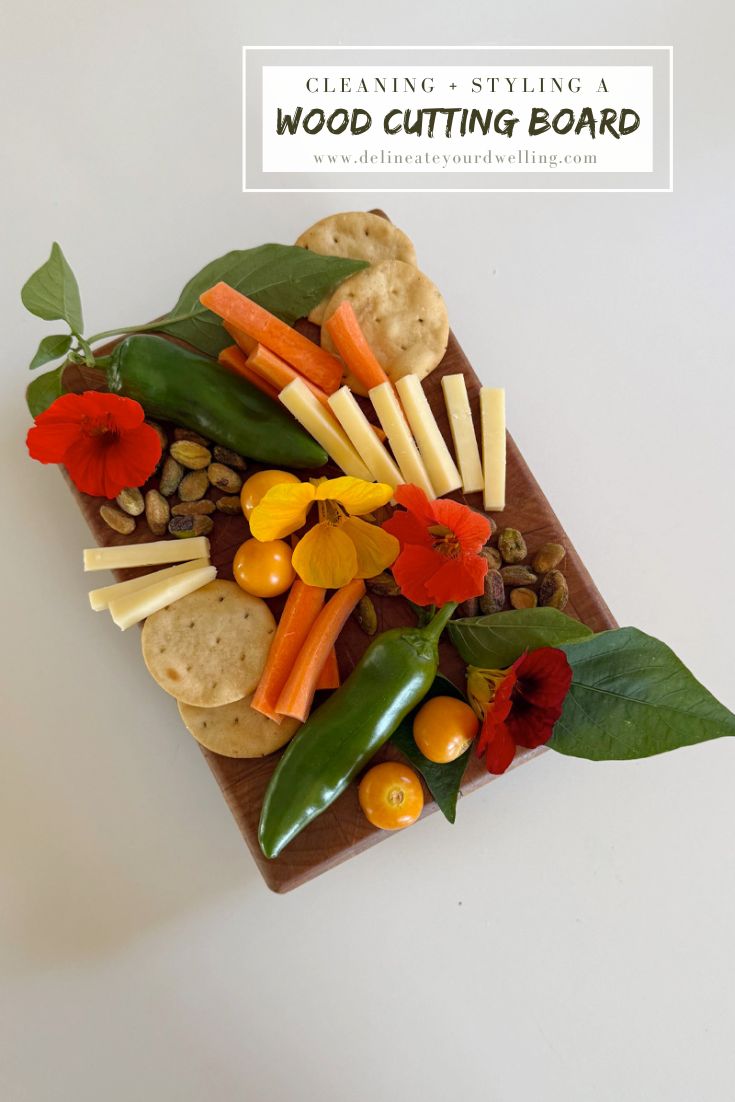
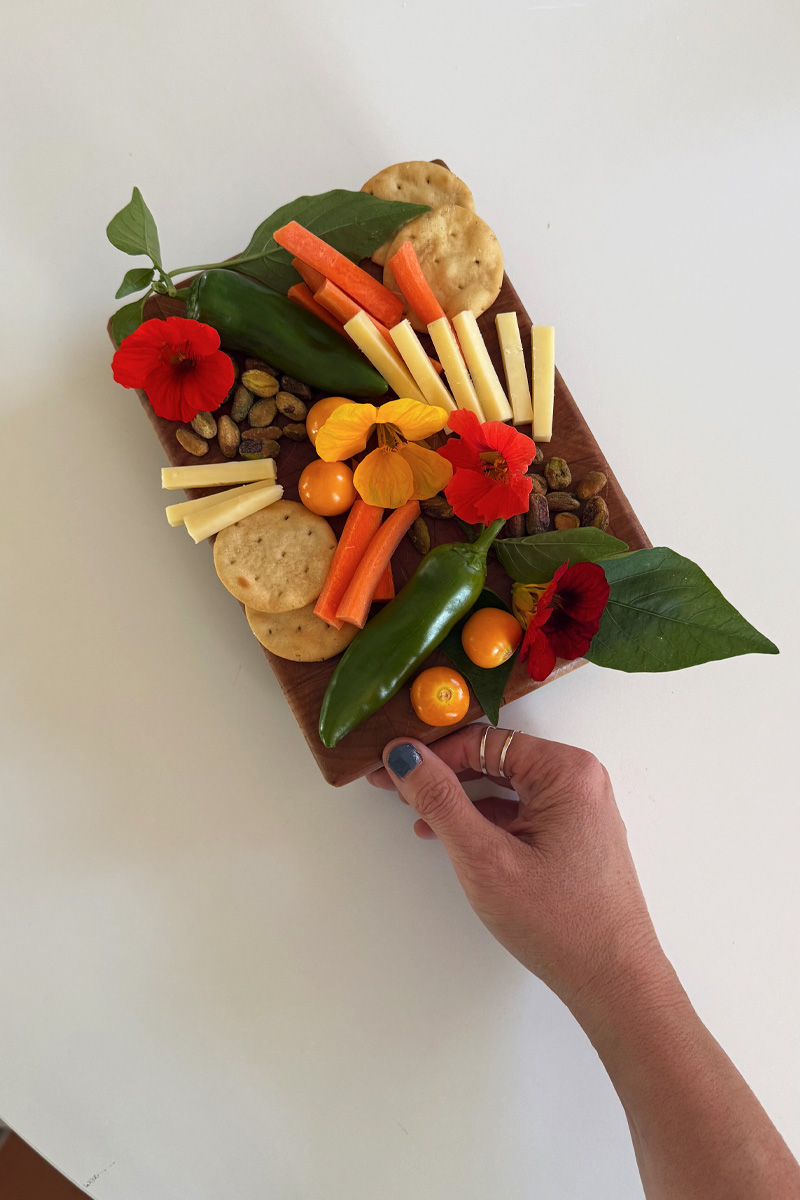
Whether you are using your cutting board to slice cheese on or setting out an epic charcuterie board with pepperoni and nuts and berries, styling a cutting board is a great entertainment piece for many occassions.
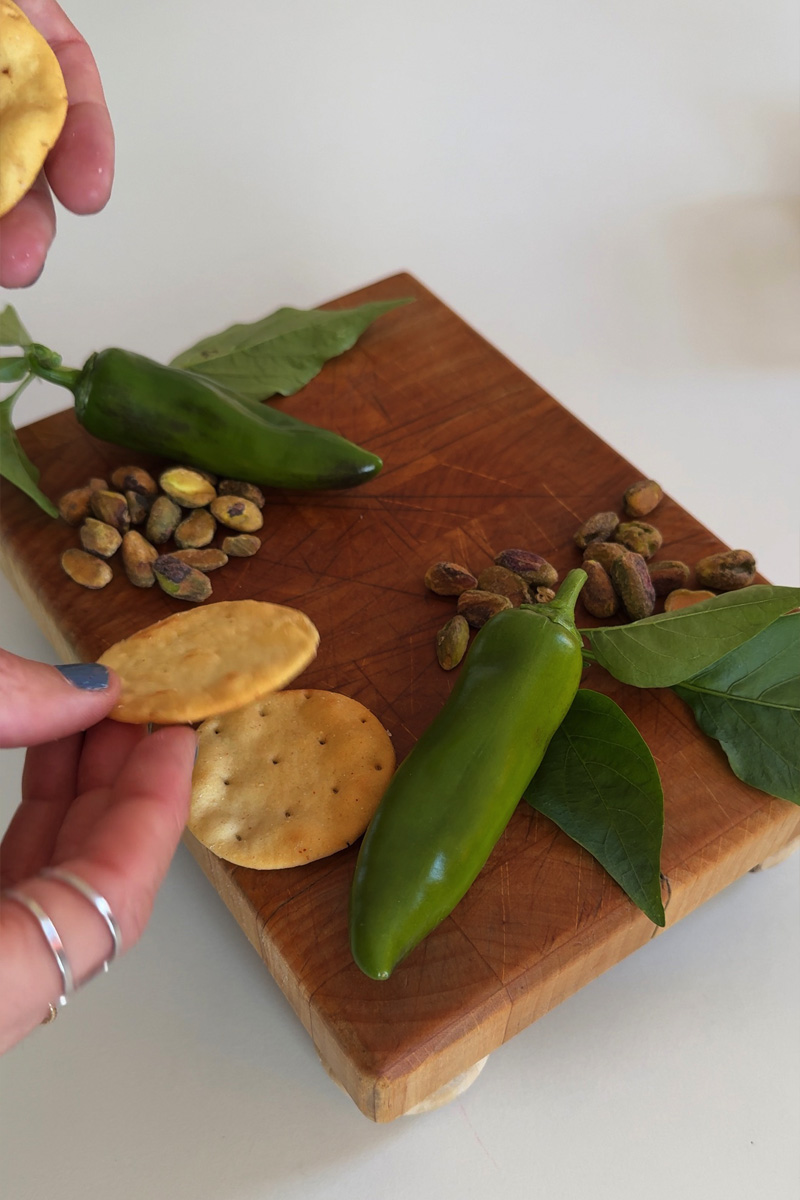
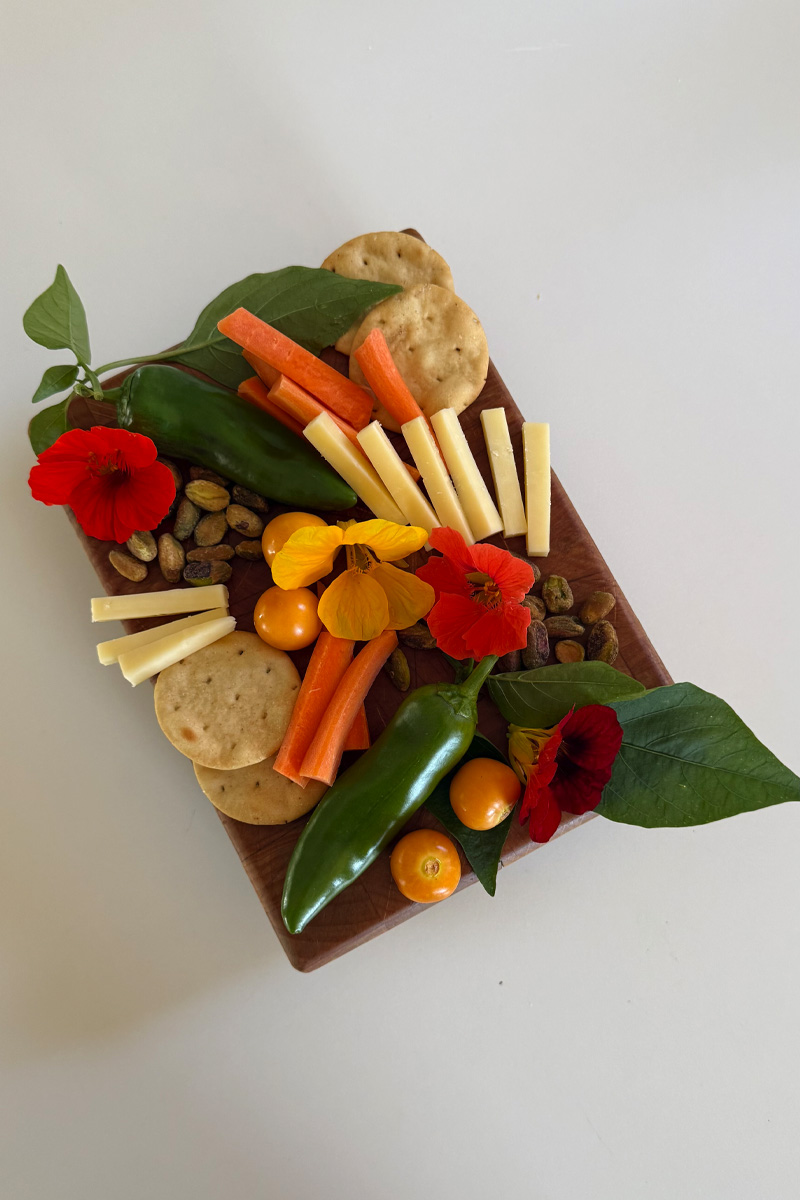
Start by placing your larger items on the edges. I placed two garden green peppers with their leaves still on for that “wow” factor.
Then begin to fill in with larger crackers, carrot slices and cheese wedges. Once the big spaces have been filled, you can place your smaller items to finish it off. I used cherry tomatoes, pistachios and a few edible Nasturtium flowers also from my garden.
Looking for more ideas on cleaning and organizing things in your home? Check out some of these below…
- Clean Garden Tools in the Fall
- Cleaning Teak Furniture
- How to Clean Saltillo Tile
- Coat Closet Cleanup
- How to Clean your Houseplant leaves
Organizing a Tween Bookshelf
How to Turn an Old Cassette Case into a DIY Memory Box
Simple Block Weekly Meal Plan hack + Printable
Craft Room Tour
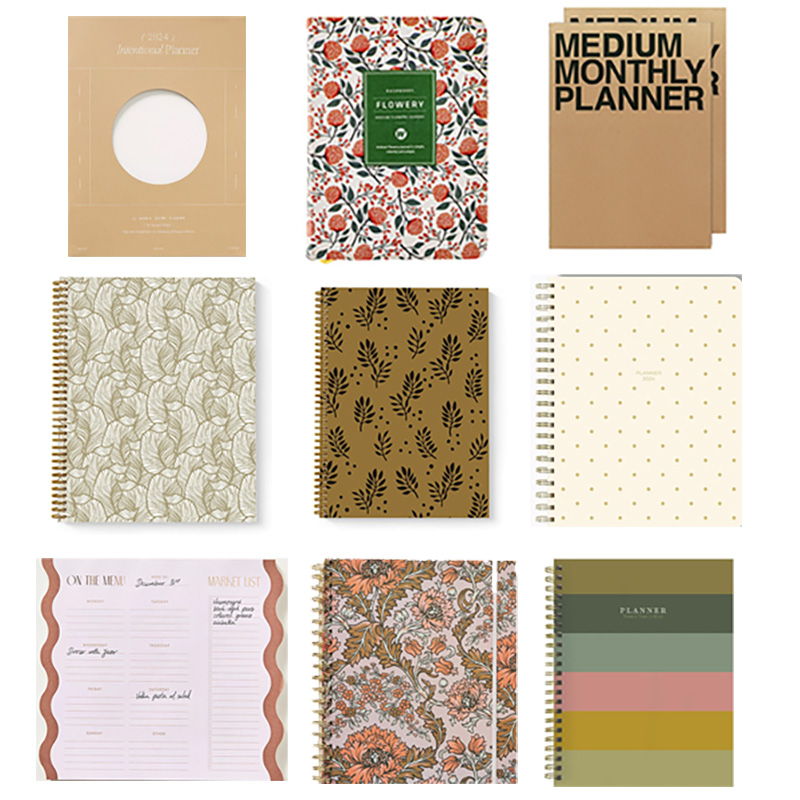
All my favorite Planners.
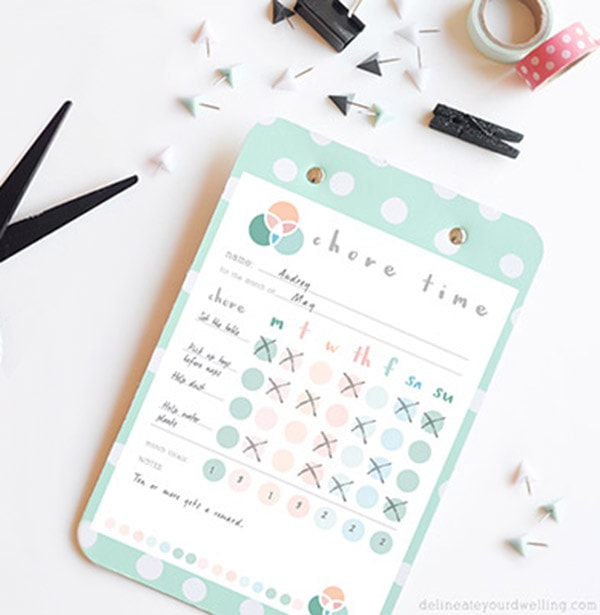
Free Printable Chore Chart