How to propagate Fishbone Cactus plants

INSIDE : Learn how to propagate your Fishbone Cactus with our step-by-step guide. This post covers – soil and water propagation methods, callousing tips and expert light care to help your Ric Rac cactus thrive. Start growing this gorgeous plant today!
This post may contain affiliate links. See full disclosure here.
If you’re looking for a houseplant that makes a big statement, look no further than the beautiful Fishbone Cactus! Also known as the Ric Rac cactus, Zig Zag cactus or Selenicereus anthonyanus – this Mexican native is famous for its long, trailing stems that look remarkably like a skeletal fish frame.
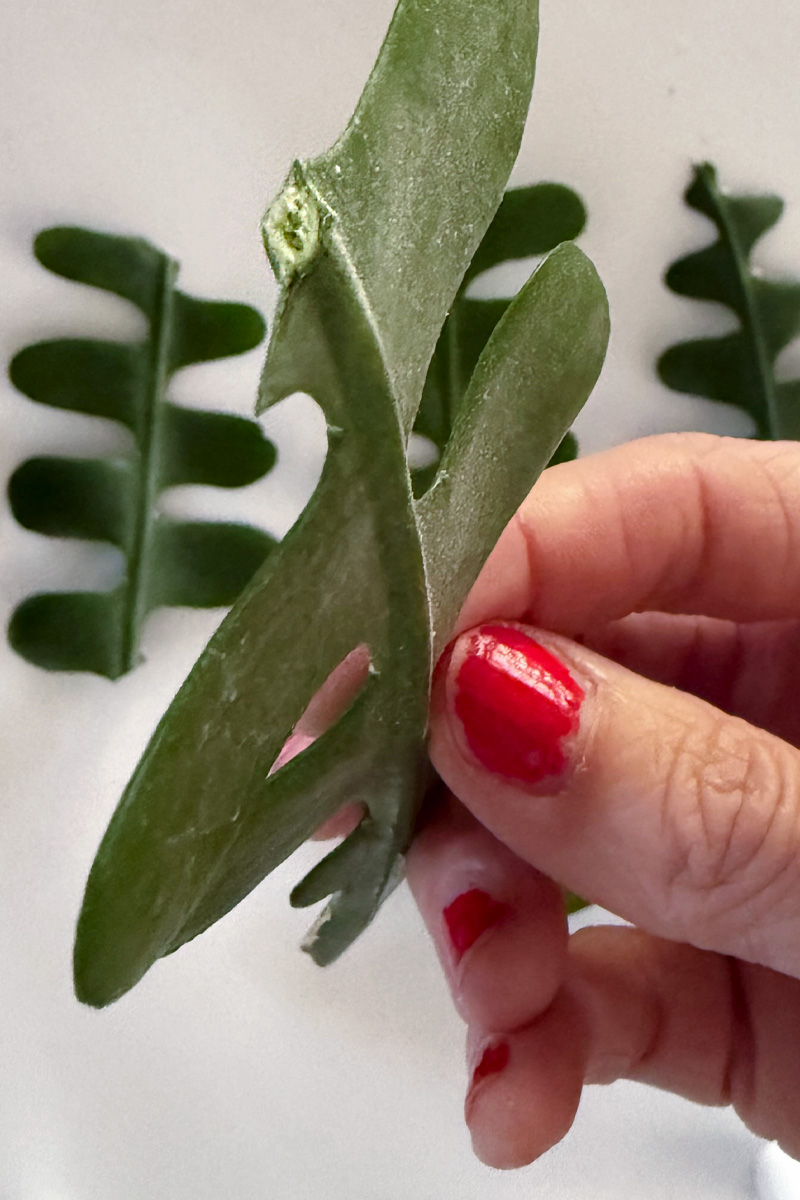
My plant was gifted from a friend and I started with a small 3″ cutting (see below). Now my Fishbone is HUGE and constantly growing more and more “stems/branches”!!
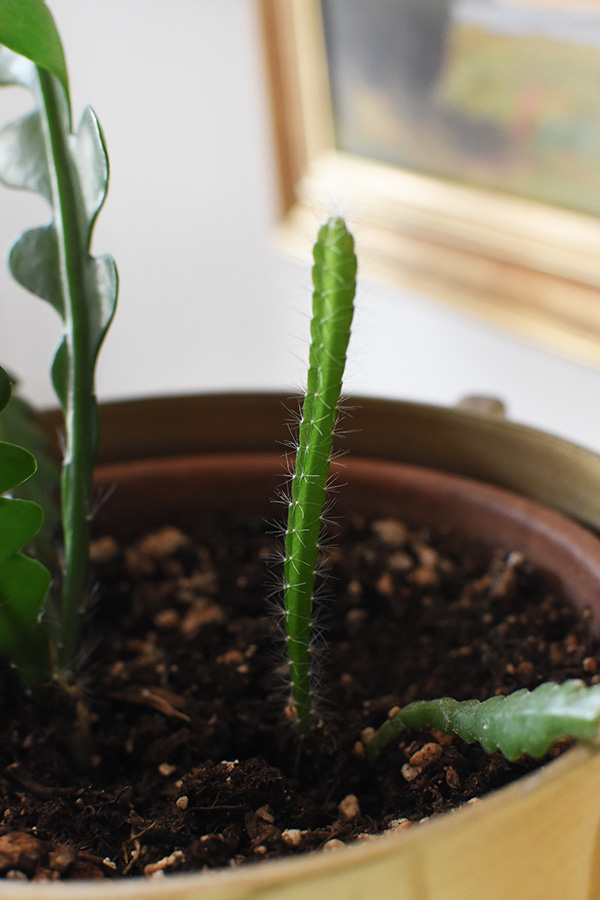


As a plant enthusiast, I know there’s nothing more rewarding than turning one healthy plant into five – ha! Whether you want to gift a “pup” to a friend or fill out a sparse pot, propagation is the way to go.
Looking for other Easy plants to Propagate? Check these out…
Today, I’m breaking down the easiest methods to propagate your Fishbone Cactus so you can expand your indoor houseplant jungle with minimal effort.
Why Propagate the Fishbone Cactus?
The Fishbone Cactus is an epiphytic cactus, meaning in nature it grows on other plants rather than in soil. This makes it incredibly resilient and very easy to take cuttings and regrow.
Propagation isn’t just about getting “free” plants – it’s also a great way to prune an overgrown plant and encourage fuller growth at the base.
Method 1: Soil Propagation
Soil propagation is often the most successful method because it allows the plant to adapt to its permanent growing medium immediately.
However, personally I always propagate in water. Both methods work, simply pick the way that works best for you and your climate!
1. Take Your Cutting
Using a pair of sterilized pruning shears, snip a healthy stem.
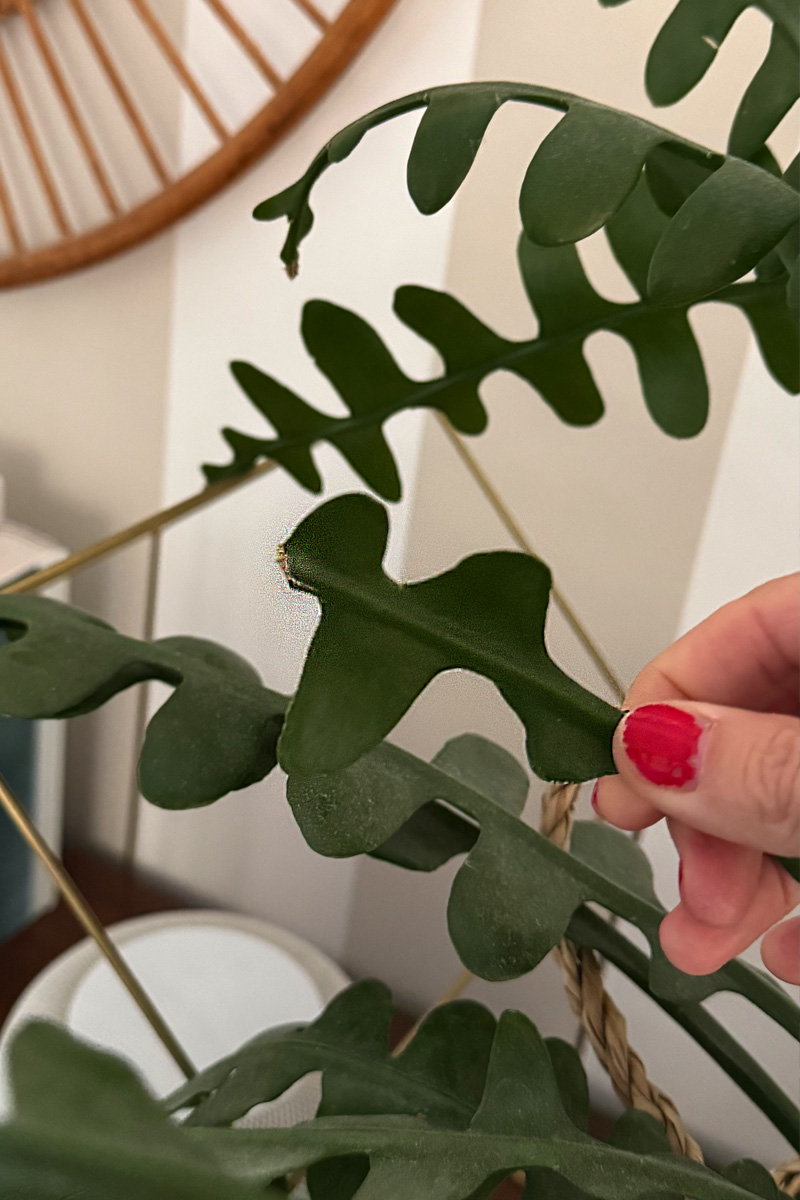
Aim for a piece that is at least 3–5 inches long.
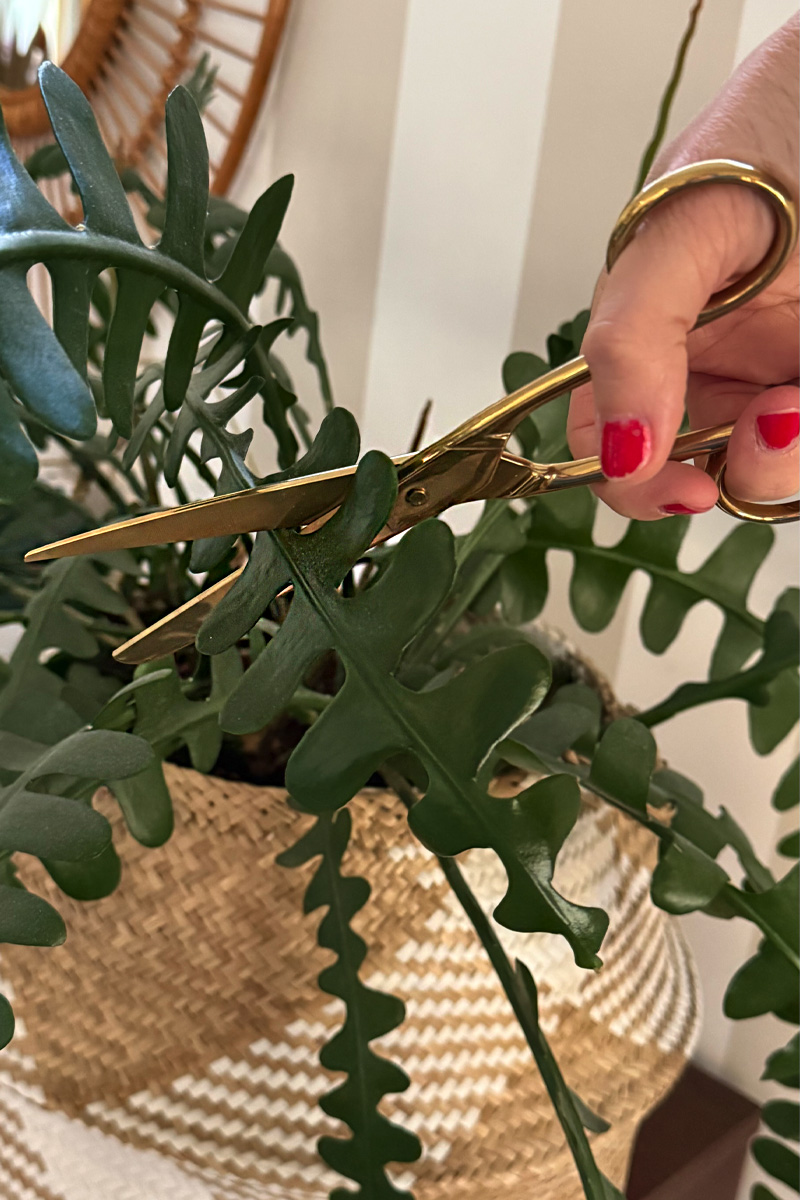
2. Let it Callous
This is the most important step. Unlike most houseplants, cacti need to “dry out” before they hit the dirt. Leave your cutting in a dry, shaded spot for 2–5 days.
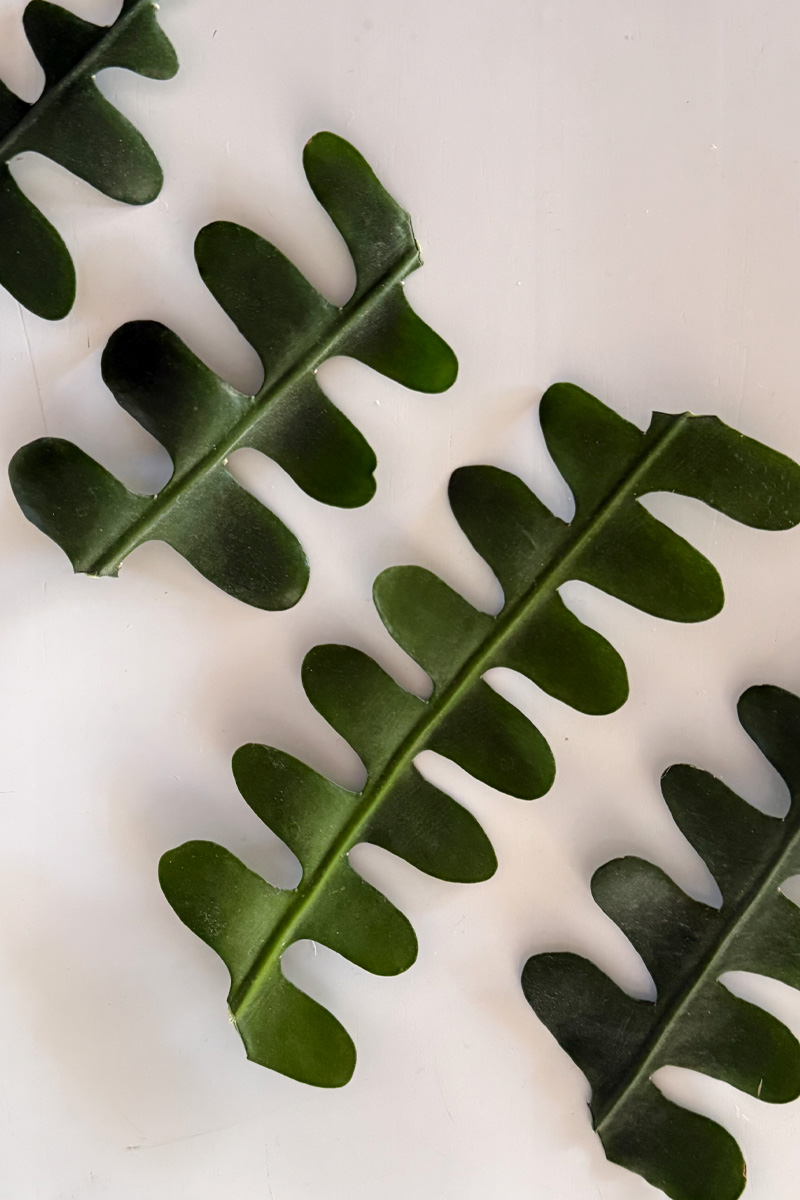
When the cut end feels firm and callous you can stick it in the soil. If you skip this, the stem will likely rot in the dirt.
3. Plant and Wait
Place the calloused end of your cutting into a well-draining cactus or orchid mix. Don’t water it immediately! Wait about a week and then mist the soil lightly.
In 3–4 weeks, tug gently on the plant; if you feel resistance, roots have formed – yay!
Method 2: Water Propagation
If you (or your kids!) love watching the magic of growth happen, water propagation is for you. It’s a great “science experiment” to do with children, as they can see the root systems develop through the glass.
And personally, growing plants in water is my preferred method. I like having a mason jar full of various plant cuttings all growing roots together. I think it’s quick, easy and I like how it looks sitting out. You can read more about how I do it here in Water Propagation for plants.
1. Prep the Stem
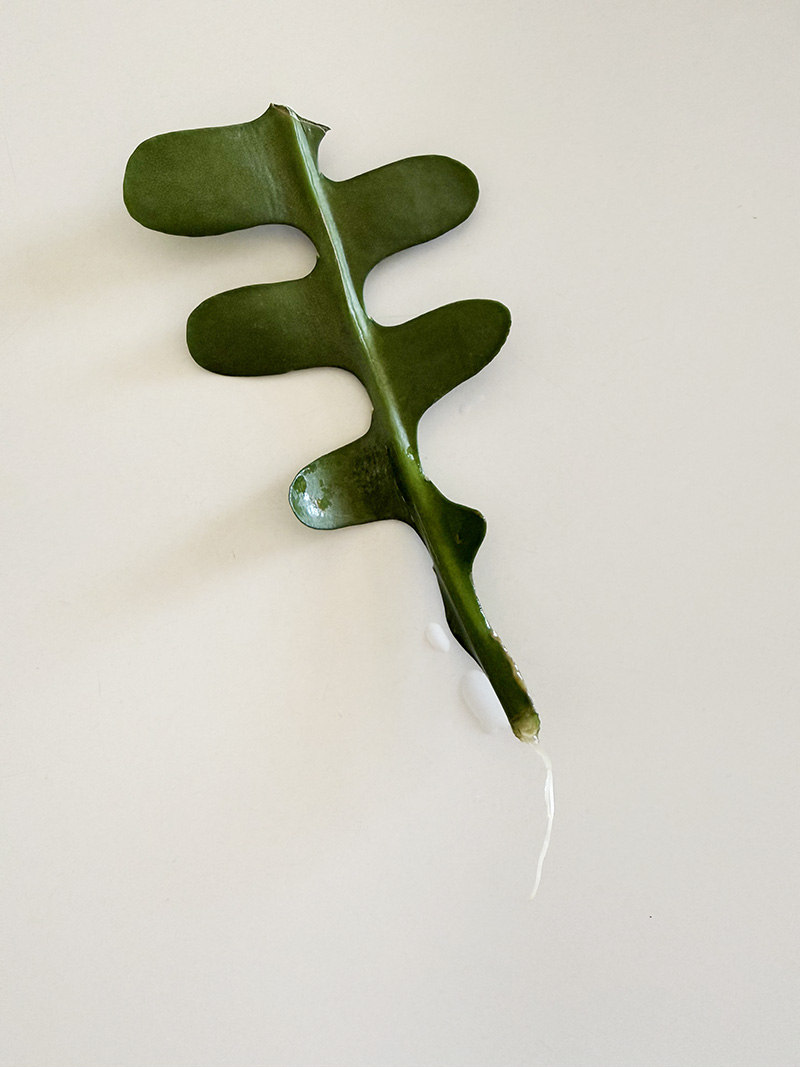
Just like the soil method, take a healthy cutting and let it callous for a few days.

2. Submerge in water
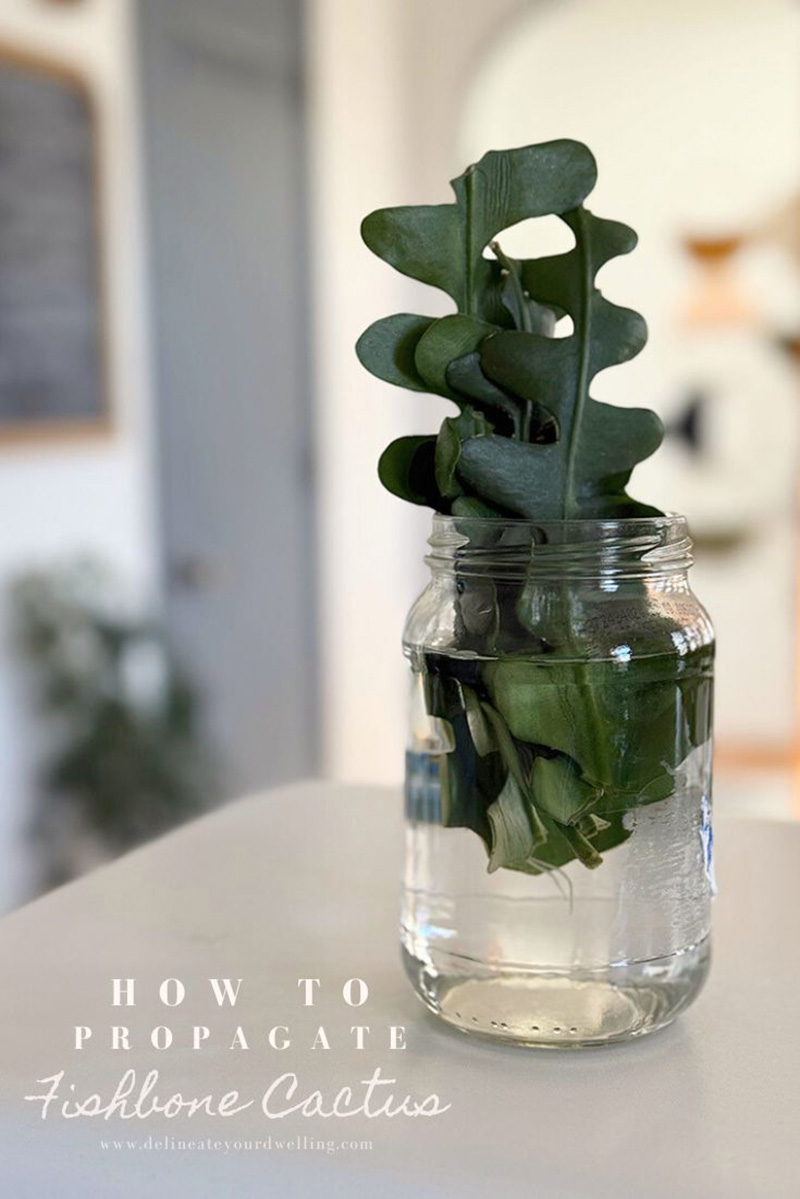
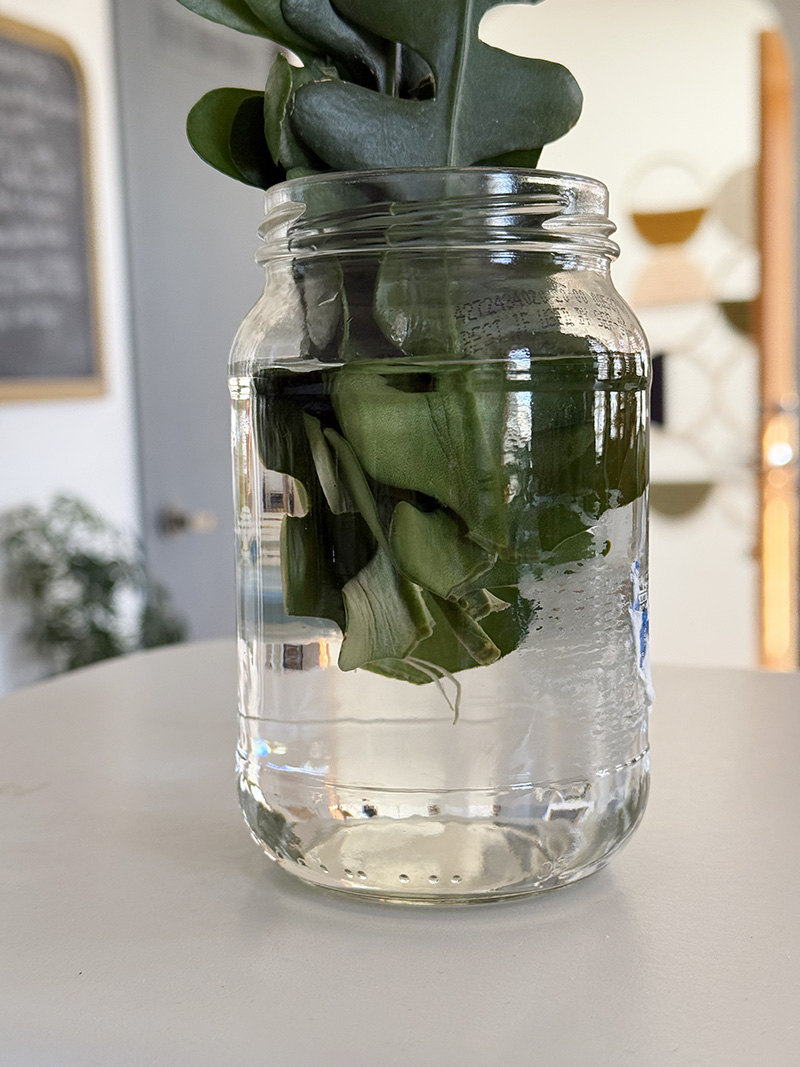
Place the Fishbone cactus propagation cuttings in a glass jar with just enough water to cover the bottom inch or two of the stem. Be sure to change the water weekly to keep it fresh and oxygenated.
3. Plant in soil
Once the roots are about an inch long, it’s time to move the plant to a pot. Water roots are “fragile,” so keep the soil slightly more moist than usual for the first two weeks to help it adjust.
I will probably let this cutting’s roots grow a bit more before transferring to soil, but it’s getting close.
Pro-Tips for Propagated Growth
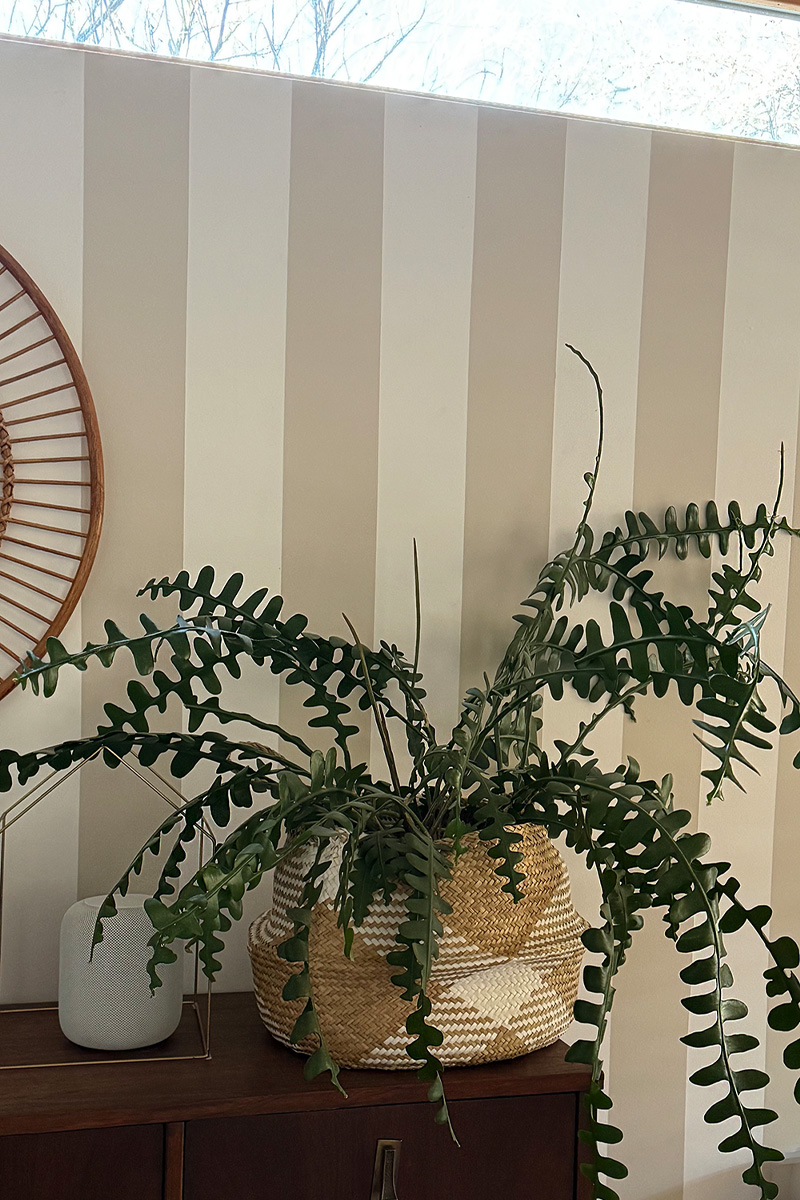
To make sure your Fishbone Cactus has strong and healthy growth, keep these three factors in mind – lighting, humidity and timing. You can see below how happy my Fishbone cactus plant is and this guy just keeps on growing bigger and bigger!!
Lighting
Fishbone cacti love bright, indirect light. Direct afternoon sun can scorch those beautiful zig-zag leaves.
Humidity
Remember, this is a jungle cactus, not a desert cactus. They appreciate a bit more humidity than your average succulent.
Timing
The best time to propagate is during the growing season (Spring and Summer).
Troubleshooting Common Issues
You can read more about my Ric Rac cactus care in the blog post I wrote here, Fishbone Cactus Care. These are lovely plants and worth every bit of effort for their beautiful look. However, sometimes we all have a little problem with our plants, so let’s take a look at some of the common problems below…
- Rotting Stems: Usually caused by not letting the cutting callous long enough or overwatering.
- Shriveled Leaves: This usually means the plant is thirsty or the air is too dry.
- No Roots: Patience is key! Sometimes it can take up to six weeks depending on the temperature of your home.
Propagating a Fishbone Cactus is a rewarding, low-effort project that results in a stunning architectural plant. Whether you choose soil or water, the key is patience and a “hands-off” approach during the beginning callousing phase. If you follow these tips, you will grow gorgeous Zig Zag cactus plants for years to come!
Looking for more great plant care tips? Check some of these out…